Why Your Floor is Sticky, Streaky, and How to Finally Fix It

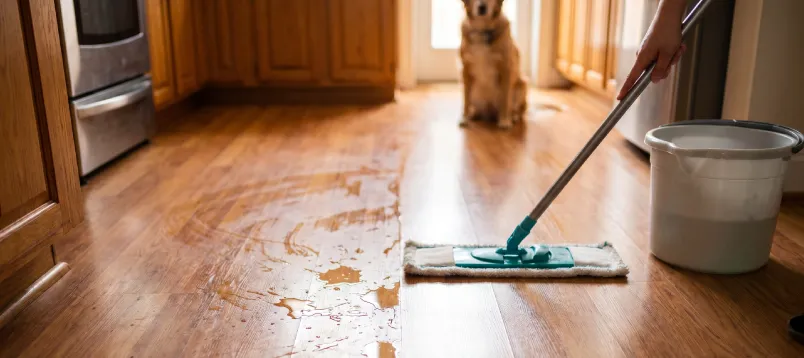
If you’ve ever spent an hour mopping your floors only to step back and see cloudy streaks, sticky residue, or footprints appearing the second it dries, you are not alone.
A detailed research reveals that floor cleaning is one of the most universally frustrating household chores. We buy heavily advertised chemical cleaners, "convenient" disposable mop pads, and expensive steam cleaners—yet our floors still feel tacky to bare feet, our mop water is always black, and our homes smell like artificial pine.
Worse yet, the harsh chemicals we use to achieve that "clean" feeling might be doing more harm than good to our floors, our pets, and our families.
Let's break down the most common floor cleaning problems plaguing households today, and discover why making the switch to a high-quality, organic floor cleaner is the ultimate game-changer for your home.
1. The "Sticky and Streaky" Dilemma
The Problem: You mop your Luxury Vinyl Plank (LVP), laminate, or hardwood, but as soon as the sunlight hits it, it’s covered in giant, cloudy streaks. Or worse, you walk across it barefoot and your feet literally stick to the floor.
Why It Happens: This is almost always caused by product buildup. Commercial floor cleaners and disposable wet-mop pads are notorious for leaving behind a waxy, soapy residue. Every time you mop, you are adding a new layer of this chemical film. This sticky crust acts as a magnet, trapping dust, pet hair, and dirt. It’s the reason why every footprint shows up instantly, and why your mop water is always pitch black!
The Organic Solution: Our organic floor cleaner relies on plant-based, natural surfactants that break down dirt and grease without leaving a soapy film behind. Because it rinses clean naturally, you won’t have to do the dreaded "double mop" (mopping once with soap and once with water). The result? Zero streaks, zero sticky residue, and no ghost outlines of your mop pad.
2. The Pet & Parent Anxiety (Toxicity and Fumes)
The Problem: If you have dogs, cats, or a baby crawling around, floor cleaning can induce major anxiety. Pets walk on freshly mopped floors and then lick their paws. Babies crawl on the floor and put their hands in their mouths. Mopping with bleach, ammonia, or heavy artificial fragrances can cause skin irritation, trigger asthma, and pose a severe toxicity risk to tiny bodies.
Why It Happens: Many conventional floor cleaners are packed with volatile organic compounds (VOCs), artificial dyes, and synthetic perfumes designed to mask bad odors rather than eliminate them.
The Organic Solution: Peace of mind is priceless. Our organic floor cleaner is formulated entirely from earth-friendly, non-toxic ingredients. It contains zero harsh chemicals, no artificial perfumes, and no VOCs. It is 100% safe for babies to crawl on and pets to walk on the moment the floor dries. Plus, instead of masking odors with headache-inducing synthetic scents, our organic formula naturally neutralizes odor-causing bacteria at the source.
3. The Myth of DIY Cleaners and Hot Steam
The Problem: Fed up with chemical residues, many people turn to internet hacks. They use water and vinegar, or they buy a steam mop. Suddenly, their expensive hardwood floors lose their shine, and their vinyl planks start warping and peeling.
Why It Happens: Vinegar is highly acidic. While it cuts through grease, using it repeatedly will literally strip the protective wear layer and polyurethane finish right off your wood and laminate floors, leaving them permanently dull and opaque. Steam mops, on the other hand, shoot moisture and extreme heat into the seams of your flooring, melting the glue underneath and causing irreversible warping.
The Organic Solution: Floors require a pH-neutral cleaner. Our organic floor cleaner is perfectly pH-balanced. It is tough enough to dissolve spilled fruit juice and cooking grease, but gentle enough to protect the delicate finish of your sealed hardwood, LVP, and natural stone (which can be etched by acidic DIY lemon or vinegar mixes).
4. The Grimy Grout & Squeaky Shoes
The Problem: Over time, the grout between your tiles turns black. When you walk on your tile or laminate in rubber-soled shoes, they squeak loudly and cause excessive friction.
Why It Happens: When you mop with heavy chemical detergents, the dirty, soapy water gets pushed into the porous grout lines and dries there, causing permanent discoloration. That same detergent dries on the surface of the tile, causing that annoying "squeaking" noise.
The Organic Solution: Because our organic cleaner doesn't rely on heavy, sudsy detergents, there is no soapy residue left behind to settle into your grout lines. It lifts the dirt into your mop pad rather than just pushing dirty water around.
Protect Your Home, Protect the Earth
Beyond the immediate benefits to your home's surfaces, there is a broader impact to consider. Every time we mop with standard commercial cleaners, we are flushing gallons of toxic, synthetic chemicals down the drain and into our local water supply.
By switching to our Organic Floor Cleaner, you are making a powerful choice. You are choosing a product that:
- Cuts through grease and grime naturally.
- Leaves absolutely zero sticky, streaky, or cloudy residue.
- Is pH-balanced to protect your expensive flooring investments.
- Keeps your pets, babies, and indoor air quality safe.
- Is 100% biodegradable and kind to the earth.
Ready to finally feel the difference of a truly clean floor under your bare feet? Ditch the toxic chemicals, throw away the sticky disposable pads, and make the switch to a cleaner, greener home today.
Afzal Mustafa
With a passion for both clean code and compelling storytelling, Afzal Mustafa helps brands elevate their digital presence. As an SEO Engineer and Content Writer, he combines his deep technical knowledge as a WordPress specialist with a data-driven approach to content creation. Afzal believes that great content shouldn't just be written—it should be engineered to perform in the modern search landscape.
Comments (0)
Please log in to join the discussion.
Related Insights
The Ultimate Guide to Cleaning Every Glass Surface in Your Life
Glass is the invisible barrier that protects us, the lens through which we see the world, and the aesthetic finish that defines modern living.
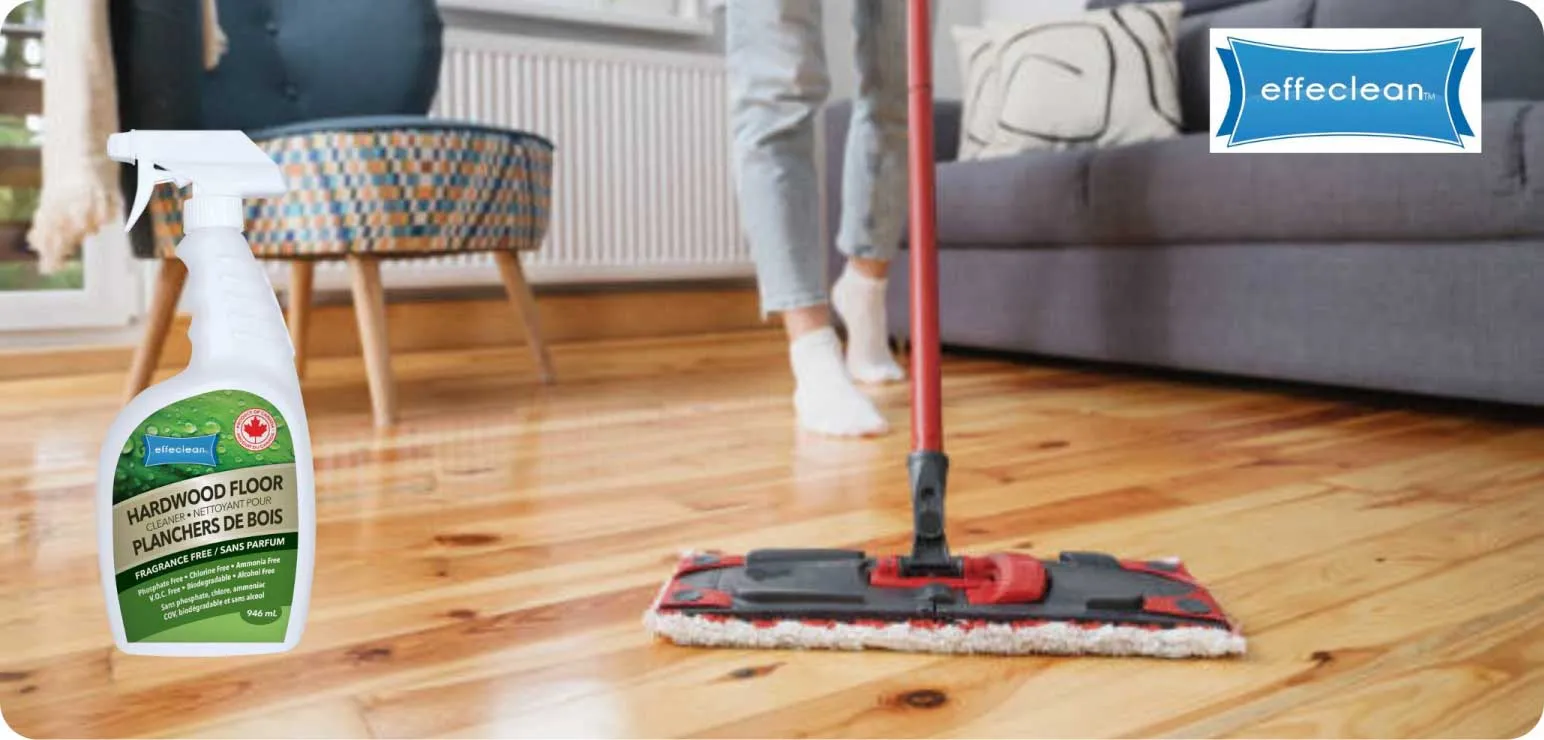
The Ultimate Guide to Cleaning and Maintaining Hardwood Floors: A Professional’s Handbook
Hardwood floors are an investment in the beauty and value of your home. Whether you have classic solid oak, modern engineered planks, or stylish vinyl alternatives, keeping them pristine requires more than just a quick sweep.
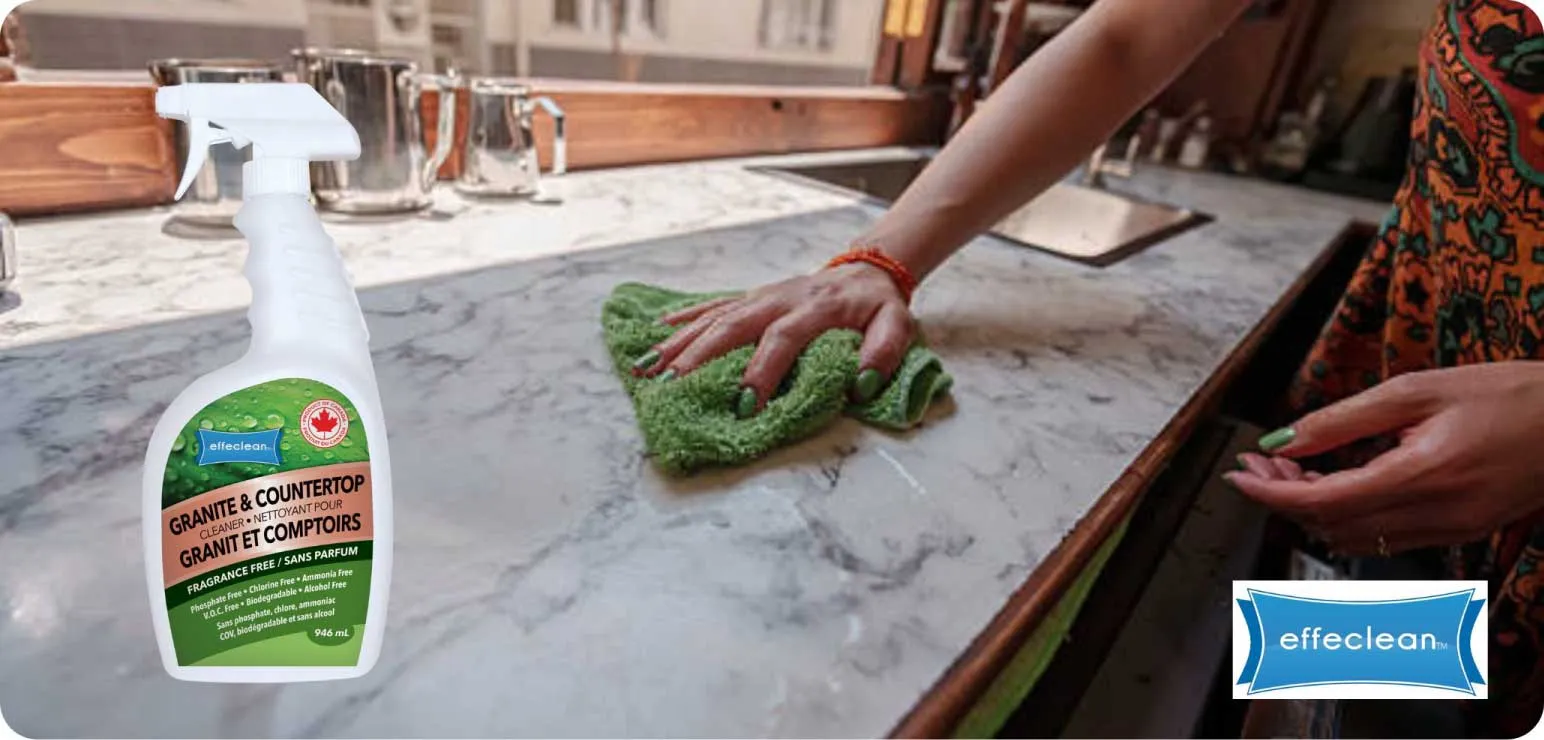
The Ultimate Guide to (Granite) Countertop Care: How to Clean, Protect, and Maintain Your Investment
Granite and natural stone countertops are often the “crown jewels” of a kitchen. They represent a significant financial investment and a commitment to aesthetic quality